

Authentic Manly Historical Wall Art: A Collector's Guide
Table of Contents
- What Makes Authentic Manly Historical Wall Art Worth Collecting
- Restored Historical Prints: Understanding the Authenticity and Restoration Process
- Beach House Décor: Styling Historical Art in Contemporary Spaces
- Framing Vintage Photographs: Archival Standards and Display Solutions
- The Cultural Significance of Local Heritage Art and Photography
- Preserving and Maintaining Historical Wall Art for Future Generations
- Building Your Collection: Sourcing Authentic Pieces and Supporting Local Archives
- Conclusion
Last Updated: August 20, 2026
What Makes Authentic Manly Historical Wall Art Worth Collecting
Collecting authentic manly historical wall art connects residents and heritage enthusiasts to the character and stories of this iconic coastal region. Authenticity matters because you're investing in a tangible connection to a specific place and time, far deeper than visual appearance alone.
Authenticity rests on three pillars: verifiable origin, honest restoration, and documented historical context. Genuine pieces carry evidence of age through paper quality, printing technique, and physical wear patterns. Restoration should enhance the original without erasing its history, and subject matter should be traceable to real events, locations, or cultural moments from the region's past.

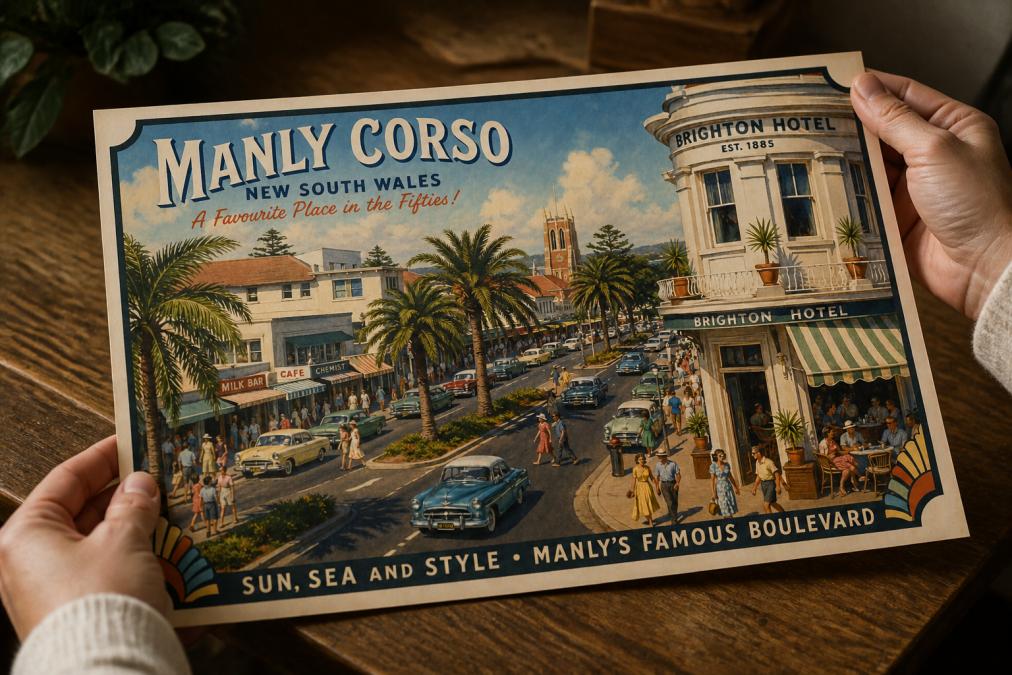
Collectors who prioritise authenticity build more meaningful collections that appreciate both financially and emotionally, becoming conversation pieces and windows into how the region looked decades ago. Lost Manly Emporium specialises in sourcing and restoring historical photographs and local art that capture the soul of the Northern Beaches across different eras. Supporting authentic restoration projects helps fund ongoing archival research and community documentation efforts.
Restored Historical Prints: Understanding the Authenticity and Restoration Process
Restored historical prints represent valuable heritage pieces, but understanding what restoration means is crucial before investing. A properly restored print retains its original character whilst becoming displayable and preserved for future generations.
How restoration preserves original character
Restoration stabilises and presents the original work as intended, not to modernise or improve it. The process begins with documentation: conservators photograph the piece in its original state, record damage, and identify materials. Common techniques include gentle cleaning, careful flattening, stabilisation of inks and pigments, and mounting on archival-quality backing.
Materials are critical. Archival-grade papers, acid-free adhesives, and conservation-standard mounting boards prevent yellowing and deterioration. Non-archival materials cause damage within years. The best restoration is often invisible, you shouldn't notice the work. If a restored print looks artificially new or has visible patching, the restoration was poorly done or too aggressive.
Verification methods for genuine heritage pieces
Before acquiring manly historical wall art, establish a verification framework. Start with provenance: can the seller document where the piece came from? Original prints often have publisher marks, printing dates, or artist signatures verifiable through historical records or archival databases. Lost Manly Emporium maintains detailed documentation for every restored piece, including photographic records of restoration and historical context.
Physical inspection reveals authenticity clues photographs can't capture. Genuine aged paper has specific texture and weight. Original printing techniques leave characteristic marks invisible in digital reproductions. Paper should show appropriate yellowing or foxing consistent with its stated age. Uneven fading suggests genuine exposure to light over decades.
Ask specific questions about restoration: what was cleaned away, what materials were used, were any areas reconstructed? Transparent sellers provide detailed answers. Cross-reference with historical databases, many regional archives maintain collections of photographs and printed materials. If your piece appears in these archives or matches documented images, that's strong verification.
Beach House Décor: Styling Historical Art in Contemporary Spaces
The challenge is integrating authentic heritage pieces into modern interiors without them feeling dated. Historical art works best when treated as a design anchor rather than a nostalgic afterthought.
Coastal light is your strongest ally. Natural light brings out subtle details and colour variations in restored prints. Position pieces where morning or afternoon light hits them directly, but avoid harsh direct sun that causes fading.
Consider scale and grouping. A single large print (A2 or larger) creates more visual impact than multiple smaller pieces scattered across walls. If grouping multiple prints, maintain consistent spacing and frame styles. Odd numbers, three or five pieces, arranged in a loose grid feels intentional.
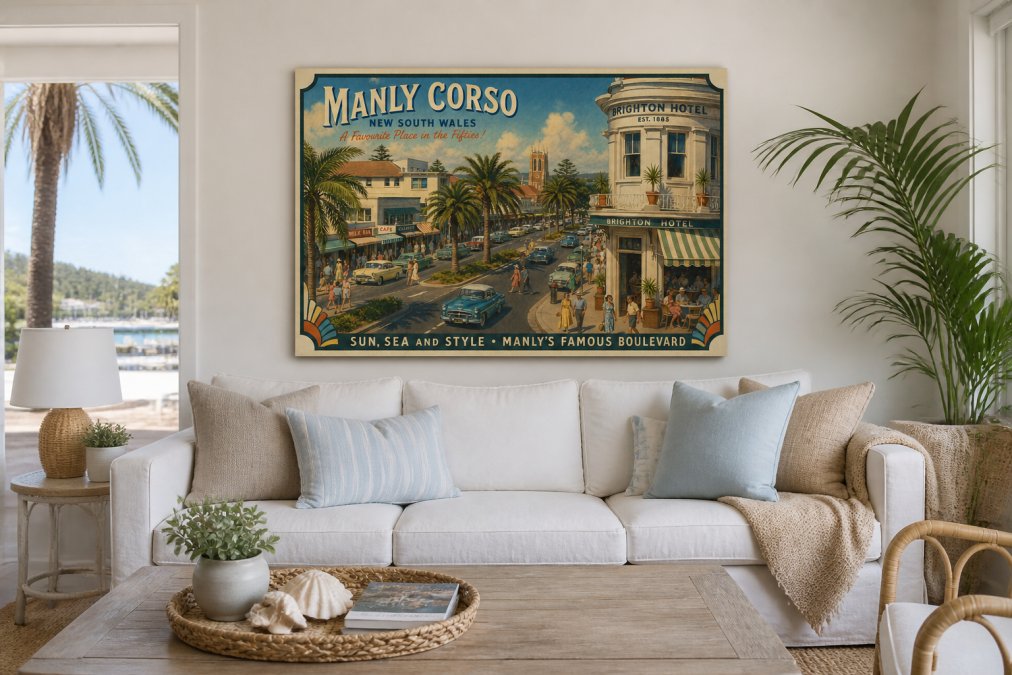
Colour palette matters significantly. Historical photographs feature muted tones, sepia, faded blues, soft greys, that pair beautifully with contemporary coastal aesthetics: white walls, natural timber, soft furnishings in linen and cotton.
Lighting design elevates the display. Picture lights mounted above framed prints enhance visibility of detail. Warm LED lighting (2700K colour temperature) flatters aged prints without introducing UV damage.
Framing Vintage Photographs: Archival Standards and Display Solutions
Framing is where most people inadvertently damage manly historical wall art. The wrong frame, mat, or glass causes fading and deterioration within years.
Materials that protect heritage pieces
Archival framing uses materials chosen to prevent chemical damage. Standard framing materials contain acids and lignin that migrate into paper, causing yellowing and brittleness. Archival materials are acid-free, lignin-free, and chemically stable.
Archival mat board (100% cotton rag) won't yellow or degrade and should never touch the artwork directly. A small gap between mat and print prevents moisture accumulation. Spacers or mat hinges keep artwork floating within the frame, allowing natural expansion and contraction.
Museum-grade UV-filtering glass blocks 99% of ultraviolet light, the primary cause of fading. It's expensive but essential for pieces exposed to natural light. Acrylic is lighter and more impact-resistant but scratches easily.
Backing board should be archival-grade, acid-free, and breathable. Never seal frames completely, historical pieces need to breathe. Sealed frames trap moisture, causing mould and foxing. Archival hinges use reversible adhesive that won't damage artwork if removed. Never use tape, glue, or staples.
Display options for different spaces
Hallways with indirect natural light are ideal for displaying historical prints. They're protected from harsh direct sun and extreme temperature fluctuations. Standard UV glass works well.
Explore the Lost Manly Collection →
Living rooms near windows require more protective framing. If pieces receive several hours of direct sunlight daily, invest in museum-grade UV glass. Consider rotating displays seasonally, moving pieces away from windows during intense summer months.
Bathrooms and kitchens present humidity challenges. Moisture can warp paper and encourage mould growth. Use sealed framing with moisture barriers and ensure excellent ventilation, or choose different locations. Bedrooms and studies typically offer more stable conditions.
Outdoor covered spaces require weatherproof framing designed for temperature and humidity swings. For most collectors, keeping historical pieces indoors is safer.
The Cultural Significance of Local Heritage Art and Photography
Manly historical wall art captures specific moments in the region's cultural evolution, from early 20th-century development of beaches as leisure destinations through mid-century booms when the Corso became the social heart of the Northern Beaches. A restored photograph of Manly Harbour Pool from the 1930s isn't just an image, it's a record of architectural design, leisure culture, and community identity.
Local heritage art documents visual aesthetics defining a region's identity. Colour palettes, design sensibilities, and artistic approaches reflect coastal light, landscape, and community values. Displaying manly historical wall art creates opportunities for conversation and connection. Visitors share memories or contribute information about depicted subjects, becoming part of the piece's ongoing history.
Supporting local archival projects through purchases directly funds ongoing research into the region's visual history, creating resources for historians, educators, and community members.
Preserving and Maintaining Historical Wall Art for Future Generations
Once acquired and framed, preservation work continues. Environmental control is fundamental. Temperature should remain stable between 18-21°C, with humidity between 45-55°. Avoid placing pieces above heating vents, fireplaces, or air conditioning units.
Light exposure requires active management. Rotate displayed pieces every 6-12 months, moving them to different walls or storage to equalise light exposure and prevent uneven fading.
Dust accumulation is manageable with a soft brush or microfibre cloth on the frame and glass, never the artwork itself. Monitor humidity carefully. In damp climates, use silica gel packets inside frame backing. In dry conditions, small dishes of distilled water placed nearby can help.
Check displayed pieces regularly for signs of insect activity. Handle pieces minimally with clean, dry hands, skin oils cause permanent marks.
Building Your Collection: Sourcing Authentic Pieces and Supporting Local Archives
Define your focus first. Are you collecting images of specific locations, particular eras, or specific artistic styles? A focused collection tells a more coherent story and appreciates more in value.
Research local archives and historical societies. Many maintain databases of historical photographs and can direct you toward authentic sources. Evaluate sellers carefully, legitimate dealers provide detailed provenance information and transparent restoration documentation.
Lost Manly Emporium combines commercial retail with genuine archival commitment. Every piece comes with documented restoration history and cultural context. Pricing reflects authenticity and quality. Lost Manly Emporium's wall art, including pieces like the Manly Harbour Pool 1930s Art Print at $99.00 and the Manly Corso 1950s reimagined print at $109.00, represents fair value for properly restored, documented pieces.

Acquire pieces over time rather than all at once. This allows you to refine aesthetic preferences, develop relationships with reliable sources, and spread costs. Support archival projects directly, many dealers reinvest sales revenue into restoration and documentation work.
Building a collection of authentic manly historical wall art connects you to the region's visual and cultural memory in ways modern reproductions never can. Lost Manly Emporium's commitment to sourcing, restoring, and documenting these pieces makes them an essential partner for collectors serious about authenticity. Explore their collection of restored heritage prints and discover how historical wall art can transform your space whilst supporting community-driven archival work.
Frequently Asked Questions
How do I verify that historical photographs are actually authentic and properly restored?
Authentic manly historical wall art comes from verified archival sources with documented provenance. Look for restoration details: the original image should be identifiable, colours should appear natural rather than over-saturated, and any enhancement should enhance clarity without altering the historical record. Reputable sources provide information about the original photograph's date, location, and restoration methods used. Ask sellers directly about their verification process and whether they can trace the image back to its source archive.
What's the difference between restored historical prints and generic vintage-style reproductions?
Restored historical prints begin with authentic archival photographs or artwork, carefully enhanced to recover detail and colour fidelity lost to age. Generic vintage-style reproductions are modern designs made to look old. With restored pieces, you're preserving actual visual history, a specific moment in time captured in a specific place. The Manly Corso prints from the 1950s, for example, show real people, real architecture, and real coastal life from that era, not stylised interpretations.
How should I frame vintage photographs to protect them long-term?
Framing vintage photographs requires archival-quality materials: acid-free mats, UV-protective glass, and conservation-grade backing board. These materials prevent yellowing, fading, and deterioration over decades. Avoid direct sunlight, which accelerates fading, and keep humidity stable, fluctuations cause paper warping and ink damage. Professional framing services can advise on the best approach for your specific piece. If you're displaying a one-of-a-kind original, conservation-grade framing is worth the investment to preserve it for future generations.
Why does authentic historical wall art cost more than generic print-on-demand alternatives?
Authentic pieces reflect the cost of archival research, careful restoration, quality printing on heritage-grade materials, and community-driven preservation work. Each restored image requires hours of work to recover detail, verify authenticity, and ensure colour accuracy. Limited-edition runs and bespoke customisation add value. You're also supporting ongoing archival projects that preserve local history. Generic alternatives use mass-production methods and lower-grade materials, which is why they cost less, but they don't offer the same cultural significance or longevity.
Take a piece of Manly history home
Browse our 2027 Manly Ferry Calendars and heritage posters and wall art, along with mugs, totes and gifts from the Lost Manly Emporium.


