

Why Buy Independent Local Art: 7 Reasons That Matter
Table of Contents
- What Buying Independent Local Art Actually Means
-
7 Reasons to Buy Independent Local Art
- 1. Your Purchase Directly Funds a Creative Ecosystem
- 2. One-of-a-Kind Pieces Carry a Story Mass Production Cannot
- 3. Local Art Preserves Cultural Identity and Community Memory
- 4. The Ripple Effect: Local Spending Stays Local
- 5. Original Artwork Can Appreciate as a Tangible Asset
- 6. You Build a Real Connection With the Artist
- 7. Sustainable Consumption: Choosing Art That Lasts
- The Benefits of Supporting Australian Artists Beyond the Purchase
- Investing in Original Australian Art: What New Buyers Should Know
- Where to Buy Affordable Original Art in Australia
- Conclusion
Last Updated: August 10, 2026
What Buying Independent Local Art Actually Means
Local art is original creative work produced by artists who live and work within a specific community, carrying the stories and lived experience of that place. Buying it independently means purchasing directly from the artist or through a community-focused gallery, rather than from a mass-production retailer.
A print from a generic online catalogue and a handcrafted painting by a Northern Beaches artist may hang on the same wall, but they carry entirely different weight. One is a commodity. The other is a piece of cultural memory.
At Lost Manly Shop, we've built our work around this idea: that objects rooted in a specific place hold meaning that mass production cannot replicate. This guide examines why buying independent local art matters, and what you need to know before you start.
7 Reasons to Buy Independent Local Art
Choosing to buy independent local art is a decision that ripples outward in ways most buyers don't anticipate.
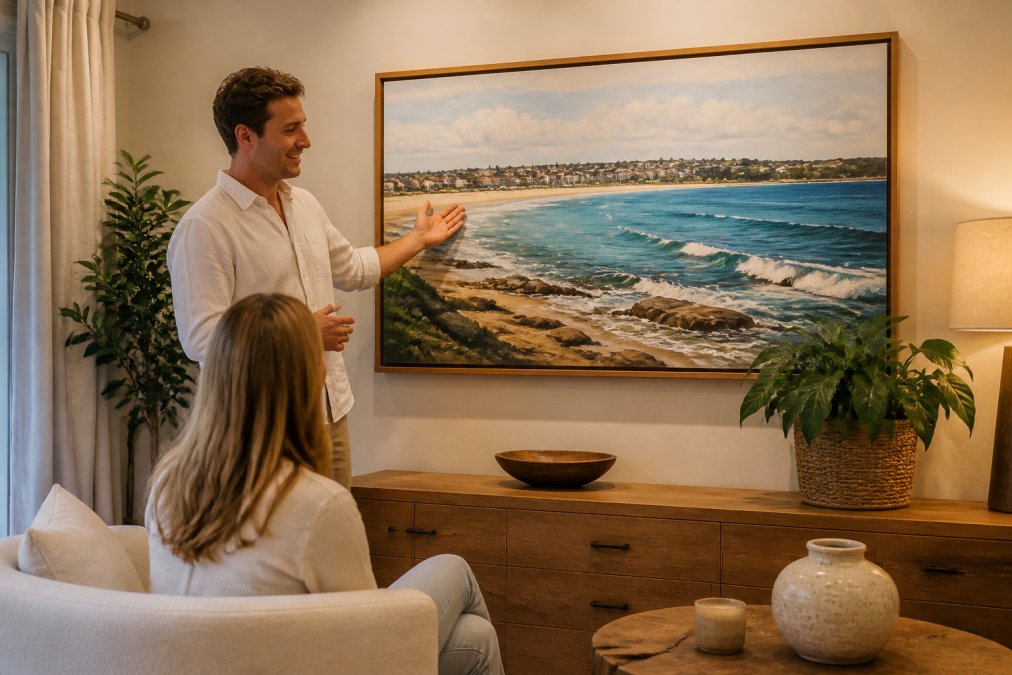
| Reason | Core Benefit | Who It Matters Most To |
|---|---|---|
| 1. Funds a creative ecosystem | Keeps artists working | First-time buyers |
| 2. One-of-a-kind pieces | Unrepeatable story and aesthetic | Home decorators, collectors |
| 3. Preserves cultural identity | Community memory survives | Local history enthusiasts |
| 4. Local spending stays local | Economic multiplier effect | Community advocates |
| 5. Tangible asset appreciation | Financial upside over time | Investors, collectors |
| 6. Real artist connection | Relationship beyond the transaction | Gift buyers, art lovers |
| 7. Sustainable consumption | Durable, meaningful objects | Environmentally conscious buyers |
1. Your Purchase Directly Funds a Creative Ecosystem
Money spent on an original work from a local artist covers studio time, materials, and professional development, often the margin that lets that artist continue making work at all. Many Australian artists working outside major commercial galleries rely almost entirely on direct sales to sustain their practice.
When that financial support disappears, so does the work. The creative ecosystem around a community shrinks. Buying local art is direct financial support in the most literal sense, with no intermediary taking the majority of the return.
2. One-of-a-Kind Pieces Carry a Story Mass Production Cannot
An original, handcrafted work is a one-of-a-kind object with specific history: made by a particular person, in a particular place, at a particular moment. Mass-produced wall art is designed to be inoffensive and interchangeable. Local original artwork is designed to be specific.
A painting of Manly's North Head at dusk, made by an artist who has walked that headland hundreds of times, carries a depth of artistic expression that a generic coastal print cannot match. The story behind the piece is part of the piece itself.
3. Local Art Preserves Cultural Identity and Community Memory
Local artists are primary custodians of cultural identity. They record landscapes before they change, document community life, and give visual form to shared experiences that define a place. When those artists are not supported, that record becomes incomplete.
This is especially true for coastal communities like Manly and the Northern Beaches, where rapid development can erode the character that makes a place worth living in. Buying local art keeps that character alive as a living cultural practice.
According to Creative Australia's national cultural policy framework, supporting local creative practitioners is central to maintaining Australia's diverse cultural identity across regions.
4. The Ripple Effect: Local Spending Stays Local
Money spent with a local artist or independent gallery circulates within the community: the artist pays for studio space, materials from local suppliers, coffee from the café down the road. This local economic multiplier effect is well-documented in small business economics research.
As noted in the Australia Council for the Arts, the arts sector generates significant economic activity in regional and local communities beyond the direct value of the work sold.
5. Original Artwork Can Appreciate as a Tangible Asset
Original artwork is a tangible asset that can appreciate substantially in value as an artist's profile grows. Many collectors who bought works by now-established Australian artists early in their careers have seen significant returns on modest initial investments.
Key factors influencing appreciation include the artist's trajectory, the rarity of the work, its condition, and documentation of provenance. Emerging artists with strong exhibition records and community significance are often the best candidates for long-term investment value.
6. You Build a Real Connection With the Artist
Buying directly from a local artist gives you something no retail transaction can: a real human connection to the person who made the object you own. Knowing the artist's name, understanding their intent, perhaps meeting them at an art fair, all of this becomes part of how you relate to the artwork over time.
For buyers who grew up in a particular place and are looking to reconnect with it, that connection is especially powerful. A bespoke piece tied to a specific location, made by someone who knows and loves that place, carries emotional weight that generic merchandise cannot replicate.
7. Sustainable Consumption: Choosing Art That Lasts
Mass-produced home décor quickly becomes landfill as trends shift and quality degrades. Original artwork made with care and quality materials lasts decades. The materials are chosen for longevity, and the work is made to be looked at, not discarded.
Sustainable consumption means buying fewer, better things. Original local art fits that philosophy precisely: you are acquiring something made with intention that will remain meaningful long after design trends have passed.
The Benefits of Supporting Australian Artists Beyond the Purchase
When you buy original artwork from a local artist, you participate in a chain of outcomes affecting the wider creative sector. Artists who sell work have the financial stability to take on ambitious projects, mentor emerging talent, and contribute to their region's cultural infrastructure.
The most direct action is also the simplest: buy work directly when possible, and tell people about it. Word of mouth remains one of the most effective forms of support an artist can receive.
Surrounding yourself with original artwork that carries genuine meaning tends to change how you engage with your environment. Art appreciation grows over time, and the more you invest in understanding what you own, the more you get from it.
Investing in Original Australian Art: What New Buyers Should Know
New buyers often encounter practical questions about provenance and logistics that most guides do not address.
Provenance and Authentication: Why They Matter for Local Works
Provenance is the documented history of an artwork: who made it, when, where it was exhibited, and who has owned it. For original Australian art, provenance separates a genuine investment piece from a decorative object with uncertain value.
For Aboriginal and Torres Strait Islander art specifically, provenance is also an ethical matter. Authentic works should come with documentation of the artist's identity, community affiliation, and the art centre or gallery that facilitated the sale. As the Australian Institute of Aboriginal and Torres Strait Islander Studies notes, buying from reputable sources that provide certificates of authenticity ensures artists and communities receive fair recognition and payment.
For non-Indigenous Australian art, provenance documentation typically includes a certificate of authenticity signed by the artist, exhibition history, and catalogue entries. Ask for this documentation at purchase. A direct purchase is an ideal opportunity to create a thorough provenance record from the start.
Practical Logistics: Shipping, Insurance, and Framing in Australia
Shipping: Original works should be professionally packed, especially for interstate delivery. Many Australian galleries and artists use specialist art couriers. Discuss packaging expectations before the work is sent.
Insurance: Standard home and contents insurance policies often have sublimits for artworks or exclude them entirely. Check your policy before the work arrives. For building a collection, a dedicated art insurance policy may be worth considering. The Insurance Council of Australia's guidance on home contents cover provides a useful starting point.
Framing: Quality framing protects the work and enhances its appeal. For original works on paper, conservation-grade framing with UV-protective glass is standard. This is not a place to cut costs: poor framing can cause irreversible damage over time.
Where to Buy Affordable Original Art in Australia
Finding affordable original art in Australia is more straightforward than a decade ago, with both physical and digital options covering the full spectrum from emerging artists to established names.
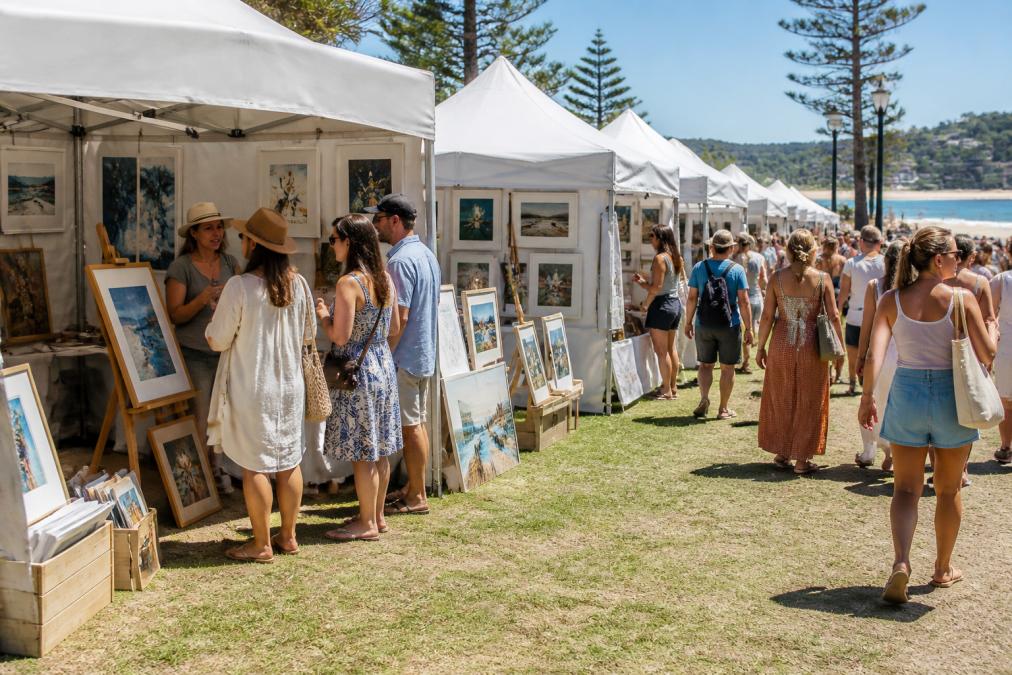
Physical Galleries and Art Fairs
Physical galleries remain the most reliable way to assess original artwork before buying. Seeing a piece in person, understanding its scale, texture, and how it responds to light, is something no screen can replicate.
Art fairs are particularly good entry points for new buyers. Events like Sydney Contemporary give buyers direct access to curated collections of emerging and established artists. Prices often reflect that artists are selling directly without gallery commission, making original work more accessible.
Community-run galleries, artist-run initiatives, and regional art centres represent artists not yet visible on major commercial platforms, often at more accessible prices. For buyers in Sydney's Northern Beaches, local markets and community exhibitions are consistent sources of original work by artists who know the area intimately.
Digital vs Physical Local Art Markets
Online platforms allow you to browse far larger curated collections than any single physical gallery can hold. Platforms representing Australian artists give buyers access to work from across the country, including regional and remote artists who would otherwise have limited visibility.
The limitation of digital buying is that you cannot assess physical qualities before purchase. Colour accuracy varies between screens, scale is difficult to judge, and texture is invisible. Reputable platforms address this with money-back guarantees and detailed photography.
A practical approach for new buyers is to use digital platforms for discovery, then visit in person where possible before committing to larger purchases. For smaller works and prints, digital buying is generally lower risk.
The digital market also opens up bespoke and personalised commissions. Lost Manly Shop, for example, offers bespoke designs featuring restored historical photographs of Manly and the Northern Beaches, allowing buyers to commission pieces connected to their own family history or sense of place.
Buying original local art is one of the more meaningful decisions a buyer can make. The Lost Manly Shop collection offers a direct entry point for anyone looking to own a piece of the Northern Beaches' history: bespoke, restored heritage art and personalised merchandise that preserves the visual and cultural memory of one of Australia's most distinctive coastal communities. Every piece is crafted to last, rooted in genuine archival research, and made to carry the kind of story that mass production cannot tell. Explore the collection at Lost Manly Shop and own a piece of the place that matters to you.
Frequently Asked Questions
What are the benefits of buying art from local independent artists?
Buying local art puts money directly into an artist's hands rather than a large distributor. You receive a one-of-a-kind piece with genuine artistic expression and provenance, support the local economy, and contribute to a creative ecosystem that sustains cultural identity in your community. For buyers in places like Manly and the Northern Beaches, that connection is especially tangible, the art reflects landscapes, histories, and stories that are personally meaningful.
Is buying original art from local artists a good investment?
Original Australian art can appreciate over time, particularly works by emerging artists who later gain recognition. Unlike mass-produced prints, an original piece is a tangible asset with documented provenance. That said, art acquisition should be driven primarily by personal connection and aesthetic value, financial appreciation is a welcome bonus, not a guarantee. Keeping records of purchase price, artist details, and any certificates of authenticity strengthens the investment case if you ever decide to sell.
How does buying local art support the Australian creative economy?
When you buy directly from an independent Australian artist or a community-driven shop, the financial support stays within Australia's creative sector. It helps artists cover studio costs, continue producing work, and participate in art fairs and exhibitions. The broader effect is a stronger local economy: artists spend locally, galleries employ locally, and community projects, including archive restoration and heritage preservation, receive ongoing financial support rather than relying solely on grants.
Where can I find independent Australian artists to support?
Options range from local art galleries and community art fairs to online platforms dedicated to Australian artists. Physical shows in your area offer the chance to meet artists directly and see work in person before buying. Online, several Australian-focused platforms connect buyers with emerging and established artists and handle shipping Australia-wide. For heritage and coastal art specific to places like Manly and the Northern Beaches, community-driven shops such as Lost Manly Shop offer bespoke, historically grounded pieces you won't find elsewhere.
This article was written using GrandRanker


